
What you’ll learn:
- Traveling with Zepbound® is manageable with a little planning—it doesn’t require constant refrigeration, but it can’t get above 86 degrees.
- The biggest risk is temperature extremes, so focus on avoiding heat, freezing, and direct sunlight while staying within your room-temperature window.
- When flying, keep it in your carry-on—TSA allows injectable medications and supplies, even over standard liquid limits.
Travel tends to shake up routines—and if you’re taking a weekly medication like Zepbound® (tirzepatide), that can raise a few new questions. The dosing itself is relatively straightforward: once a week, same day, at a time that works for you. But once you’re away from home, it’s not just about remembering your dose—it’s about how to bring it with you and keep it usable.
People often want to know: Can I bring it through the TSA? Should it go in my checked luggage? Do I have to keep it cold all the time?
If you’re picturing Zepbound® needing to stay refrigerated and carefully temperature-controlled every second until you use it, travel can start to feel more complicated than it actually is. The reality is a bit more flexible.
Zepbound® can stay out of the fridge for a limited time, and that means days, not hours, which means you don’t always need to travel with a cooler in hand. What people don’t realize is that for shorter trips, the bigger concern is often excess heat, not keeping it completely cold.
In general, you’ll want to avoid temperatures above 86°F, freezing, or direct sunlight, since any of those can affect how the medication works.
There’s also a small but important detail: not everyone is traveling with the same version of Zepbound®. Some people use single-dose pens, while others use vials or a multi-dose QuikPen. The weekly routine is the same, but storage rules can vary slightly. That’s where a little planning comes in.
The good news: traveling with Zepbound® is usually more manageable than it sounds. Let’s go through how to handle storage, airport security, international travel, and real-life situations—so you can stay consistent without overthinking every step.
What to know about travel with Zepbound®
If your trip lasts longer than a week, you’ll likely need to bring Zepbound® with you—and that’s where the details start to matter.
Like other GLP-1 medications, Zepbound® is sensitive to temperature. Exposure above 86°F, freezing, or staying out of the fridge longer than recommended can affect how well it works. And in real life, those risks show up in small, easy-to-miss moments—like a bag sitting in the sun, a hot car, or a mini-fridge that runs colder than expected. If you’re ever unsure whether your medication was exposed to extreme temperatures, it’s worth checking with a pharmacist before using it.
There’s also a format factor. Some people use single-dose pens, while others use vials or the Zepbound® QuikPen through programs like LillyDirect.
The weekly routine stays the same, but storage timelines differ slightly depending on what you’re using. That means travel planning isn’t just about packing your medication—it’s about knowing how long it can stay at room temperature and how to keep it within safe limits while you’re on the move.
How to travel with Zepbound®: Storage and temperature guidelines
Since how you store it can affect the medication, it’s important to make sure you do it properly. Here are the basic storage rules for all types: single-use pens, multi-dose pens, and vials:
- Store Zepbound® in a refrigerator at or between 36° to 46°F before use.
- Don’t let Zepbound® get hotter than 86°F: Heat above the approved limit may affect the medication’s quality.
- Don’t freeze it: Freezing can damage Zepbound®. If that happens, it should be discarded and replaced.
- Protect it from direct sunlight: Sunlight can expose the medication to both light and heat, especially in cars, bags, or near windows.
- Keep it in the original carton when possible: The carton helps protect the medication from light and makes it easier to identify.
- Don’t use it if you’re unsure whether it was frozen or overheated: Temperature damage may not be visible, so ask your pharmacist before using it.
These same rules apply whether you’re using a pen or a vial, but there are some differences between those two formats.
How to travel with Zepbound®: Differences between vials and pens
While GLP-1 medications like Zepbound® come chilled and the guideline is to store them in the fridge, they can stay out of the fridge for a limited time, as long as they stay at or below 86°F.
The room-temperature limit depends on the form:
- Single-dose pens and vials: Can remain up to 21 days at room temperature
- Multi-dose vials and KwikPens: up to 30 days, or after 4 weekly doses, whichever comes first
Here’s how the four formats compare:
| Format | Refrigerated storage | Room-temp limit | Key travel note |
|---|---|---|---|
| Single-dose pen | 36°F to 46°F | Up to 21 days at ≤86°F | Do not return to fridge after room-temp storage |
| Single-dose vial | 36°F to 46°F | Up to 21 days at ≤86°F | Discard after 21 days out of refrigeration |
| KwikPen | Refrigerate before use; room temp after first use allowed | Up to 30 days after first use | Discard after 30 days or 4 weekly doses |
Read more: Does Zepbound® need to be refrigerated?
How to travel with Zepbound®: Air travel, TSA, and airport security
Airport security is usually the part that makes people most nervous about traveling with Zepbound, especially because you’re traveling with syringes and liquids.
In most cases, injectable medications and related supplies can go through TSA screening. If you’re carrying multiple vials, the usual 3.4-ounce liquid rule does not apply the same way to medically necessary liquids.
TSA allows medically necessary liquids in larger amounts, but they should be removed from your carry-on and declared for screening. But here’s how to make the process as seamless as possible:
- Keep Zepbound® in your carry-on: Pack Zepbound® in your carry-on bag or personal item, not checked luggage. This keeps it with you and helps prevent exposure to any extreme temperatures or mishandling in the cargo hold. Changes in altitude during flight aren’t expected to affect your medication.
- Bring the prescription label: TSA recommends, but doesn’t require, that medications be labeled to help with the screening process. If you’re traveling internationally, it’s best to have the prescription label in case the destination country has other requirements.
- If you use vials, declare syringes and supplies: If you’re using Zepbound® vials, you will be traveling with syringes. TSA allows unused syringes when they’re accompanied by injectable medication, but you should let the security officer know at security.
- Scanners and X-rays are generally okay: You can request a hand inspection instead of X-ray screening if you prefer. That said, Lilly’s travel guidance says that airport X-ray screening equipment doesn’t affect Zepbound®.
How to travel internationally with Zepbound®
If you’re traveling internationally, with Zepbound®, you should look up the medication rules for your destination country. Some countries have specific requirements for bringing prescription medications across borders.
In general, here’s what you should do:
- Keep Zepbound® in its original labeled packaging.
- Bring your prescription information.
- Carry a letter from your healthcare provider explaining that you need the medication, especially if you’re bringing multiple doses or injection supplies.
Road trips, hotels, and warm-weather travel with Zepbound®
Traveling by car, bus, or train can be easier than flying, but temperature control still matters. The main risks are leaving Zepbound® in a hot vehicle, letting it freeze in a mini-fridge, or placing it in direct sunlight.
Here are some general tips and tricks.
In a vehicle:
- Cars and other vehicles heat up quickly, even when it doesn’t feel that hot outside.
- Never leave Zepbound® in a parked vehicle, glove compartment, trunk, or on the dashboard. This applies even for quick stops because interior temperatures can rise fast and exceed the 86°F limit.
- If you bring a cooler with an ice pack, don’t put Zepbound® directly against it, which could freeze the medication.
At hotels or rentals:
- Use the mini-fridge carefully, and avoid placing medication near the freezer compartment.
- Keep Zepbound® in the original carton and away from direct sunlight.
- If refrigeration is unreliable, room-temperature storage may actually be simpler—just stay within the 21-day limit for single-dose pens and vials and 30-days for multi-dose Kwikpens.
Read more: Zepbound® costs in 2026: With and without insurance coverage
FAQs about traveling with Zepbound®
How do you keep Zepbound® cold when traveling?
Use an insulated medication case or travel bag if you need extra temperature control. If you use gel packs, don’t place Zepbound® directly against them, since freezing can damage the medication.
For shorter trips, you may not need to keep Zepbound® cold the entire time, as long as you stay within the room-temperature limits for the form that you use.
Does Zepbound® have to stay cold while traveling?
Not always. Single-dose pens and vials can stay at room temperature up to 86°F for up to 21 days. Multi-dose vials and KwikPens can generally stay at room temperature up to 86°F for up to 30 days, depending on the format and whether they’ve been opened. See the Zepbound® Prescribing Information for full storage details.
Can I bring Zepbound® on a plane?
Yes. Keep Zepbound® in your carry-on or personal item, not checked luggage. TSA allows injectable medications and related supplies through security after they are screened.
How do I fly with GLP-1 injections?
Keep your GLP-1 medication in your carry-on, bring the prescription label when possible, declare syringes or liquid medication at security, and protect the medication from heat, light, and freezing.

The Easy Way
to lose weight and get healthy.
See if you qualify
Can you fly with a GLP-1 shot?
Yes. Injectable medications are generally allowed through TSA screening. Keep the medication with you, separate it from your other items if needed, and bring supplies like unused syringes only with the injectable medication.
Can you skip a week of Zepbound® for vacation?
Don’t skip a dose unless your prescriber okays it. If you miss a dose, follow the instructions in the Zepbound® Medication Guide or ask your pharmacist or prescriber what to do.
Reviews from real Noom users
Desirea N. — Real Noom user
“My favorite parts of Noom are the care team and other Noomers. Sharing and getting help made me feel like I wasn’t doing it alone. That support made all the difference.”
Desirea N. — Real Noom user
Matthew M. — Real Noom user
“Noom has taught me that every day is a new chance to make better, healthier choices. It's taught me how to stop overeating.’’
Matthew M. — Real Noom user
Lila M. — Real Noom user
“Clinicians who understand how supportive medication can be is one of the best parts of Noom! I was convinced I wouldn’t have success but I’m down 11 pounds in two months.’’
Lila M. — Real Noom user
Steve M. — Real Noom user
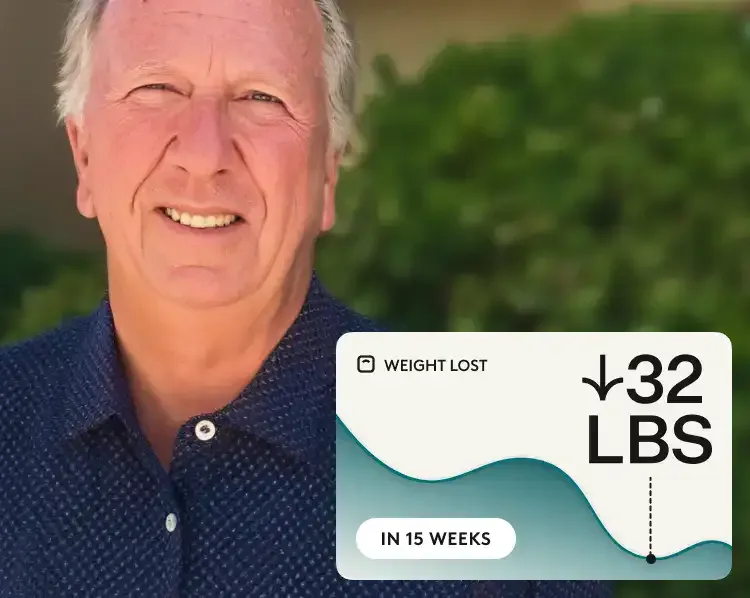
“Noom provided me with the medication which I could not get through Medicare. I have learned the tricks to better eating and life in general.”
Steve M. – Real Noom user
Daisy R. — Real Noom user
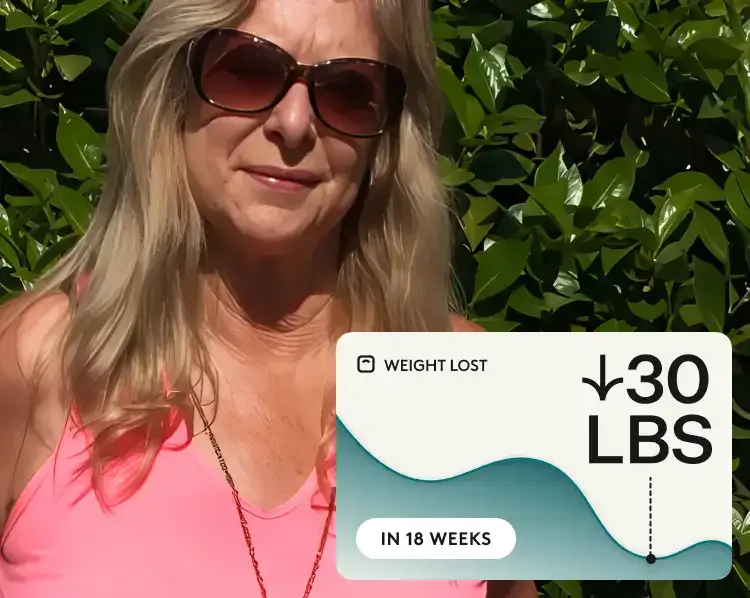
‘’Noom has changed my life and I’m so thankful, I feel great, have more energy and am no longer prediabetic.”
Daisy R. – Real Noom user
Sarah R. — Real Noom user
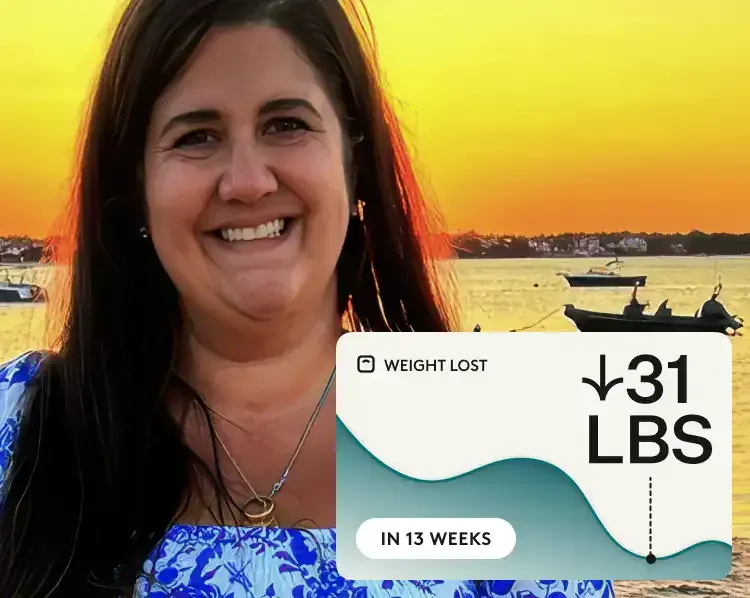
“All of the Noom providers that I’ve met with have been exceptional and prescribed medications that are appropriate for my situation and health.”
Sarah R. – Real Noom user
Madison S. — Real Noom user
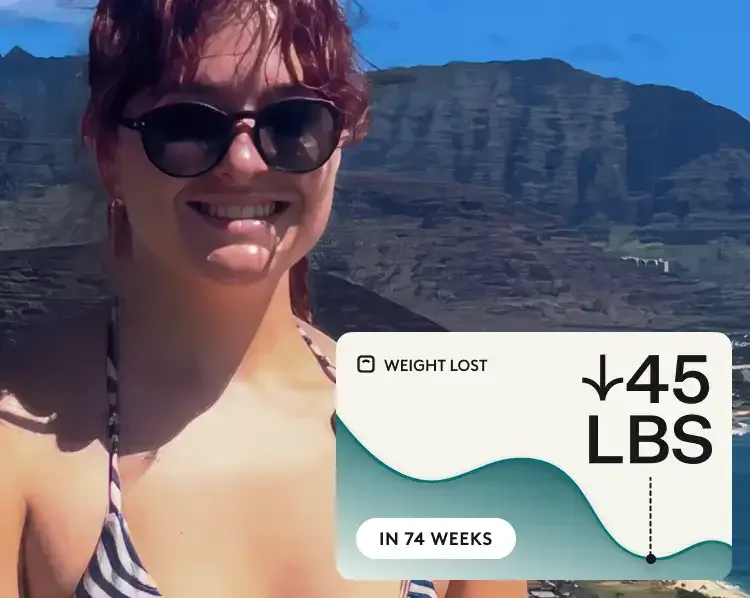
“Noom made the process so simple and now I feel full, free from diet obsession, and at ease in my body again.”
Madison S. – Real Noom user
Sonday K. — Real Noom user
“My doctor recommended Noom after I was frustrated trying to lose weight. The lessons helped change my relationship with food. My body feels lighter & energized.”
Sonday K. – Real Noom user
Cam K. — Real Noom user
“I built healthy habits with coaching and lessons that make me confident I can maintain my weight loss long term.”
Cam K. – Real Noom user
Laura TR. — Real Noom user
“With the right medication through Noom, hunger and sugar cravings finally quieted and I have the tools to break the cycle.”
Laura TR. – Real Noom user
Jessica S. — Real Noom user
“Cravings and food noise are gone, I finally feel confident in the healthy habits I’ve built to last with Noom.”
Jessica S. – Real Noom user
The bottom line: Travel with Zepbound® is allowed and safe as long as you follow the temperature guidelines
Traveling with Zepbound® doesn’t have to be complicated—it just requires a little awareness. The main things to keep in mind are temperature and timing.
For most trips, especially those under a few weeks, you likely don’t need to keep your medication refrigerated the entire time. Instead, focus on protecting it from heat, freezing, and direct sunlight, and stay within the room-temperature window for the form you’re using.
Small decisions—like keeping it in your carry-on, avoiding hot cars, and being mindful of where you store it—go a long way in keeping your medication effective.
Once you understand those basics, the rest becomes much more manageable. Whether you’re flying, driving, or heading abroad, planning ahead can help you stay consistent with your weekly routine without adding unnecessary stress to your trip.
And if something feels off—like possible temperature exposure or a missed dose—your pharmacist or prescriber can help you figure out next steps. The goal isn’t perfection—it’s staying on track in a way that works in real life, wherever you are.
If you get your medication through Noom Med, you’ll be matched with a clinician and Care Team that’s available to troubleshoot these issues and make sure you stay on track with your goals. Plus, you get access to the GLP-1 companion, a vibrant community, and all of Noom’s tools, trackers, and tips to help you build sustainable habits that work alongside the medication.
Editorial standards
At Noom, we’re committed to providing health information that’s grounded in reliable science and expert review. Our content is created with the support of qualified professionals and based on well-established research from trusted medical and scientific organizations. Learn more about the experts behind our content on our Health Expert Team page.